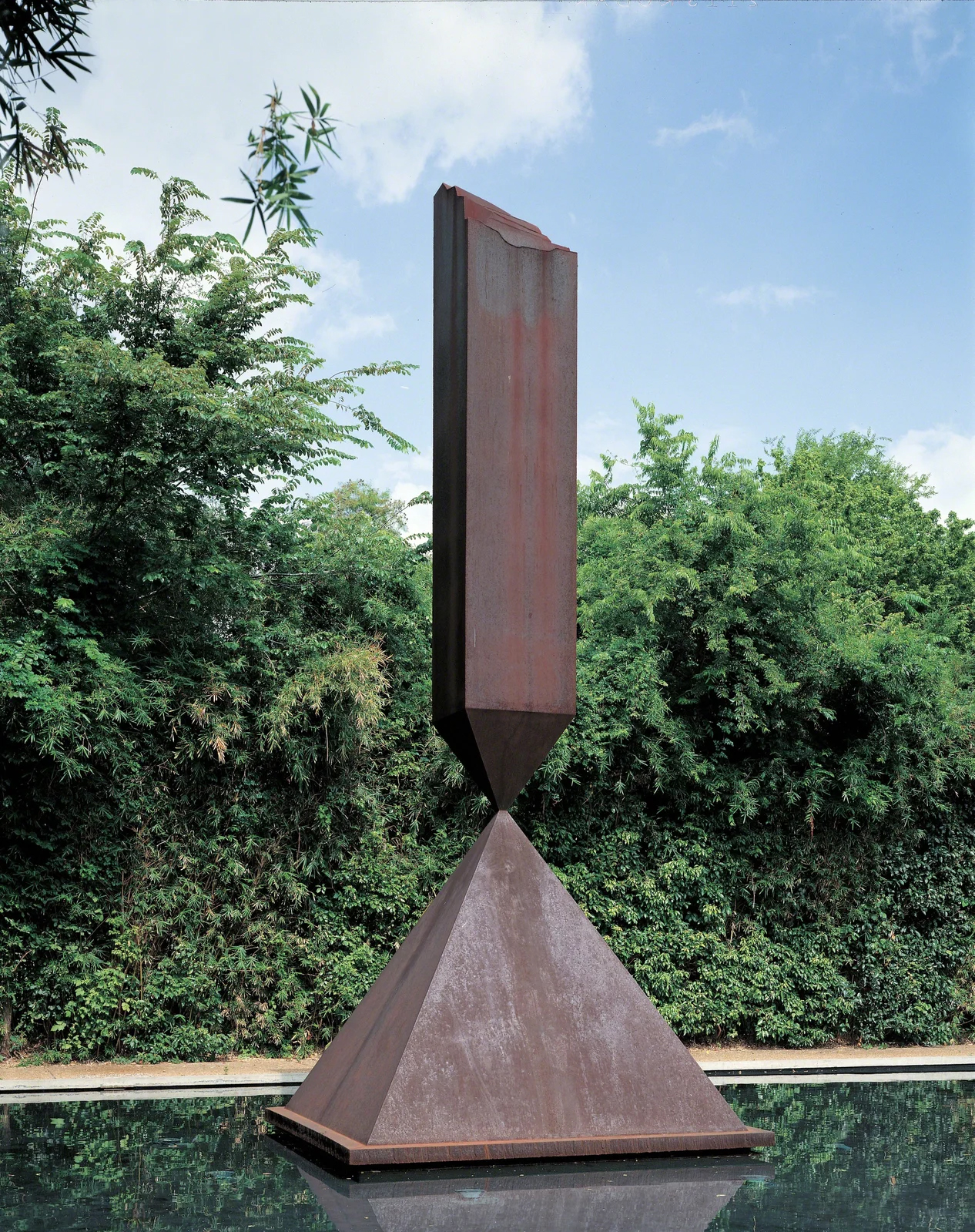
Broken Obelisk, 1963–1967
Item
-
Title
-
Broken Obelisk, 1963–1967
-
Date created
-
1963–1967
-
Measurements
-
749.9 x 318.8 x 318.8 cm (24' 10" x 10' 11" x 10' 11” inches)
-
manufacturer
-
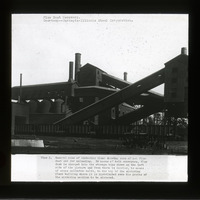
United States Steel Corporation. Gary Works
-
manufacturer
-
1960, COR-TEN® was a trademarked product exclusively developed and produced by the United States Steel Corporation (USS).
Weathering steel technology was developed in the 1930s by USS and became popular for architectural projects in the 1960s. When this sculpture was fabricated, the brand name was still under the original patent and control of U.S. Steel
-
is related to
-
Barnett Newman designed three original Broken Obelisk sculptures in Cor-Ten steel between 1963 and 1969.
This monumental sculpture is located in Houston, Texas.
-
Description
-
An originator of Abstract Expressionism, Barnett Newman changed the course of 20th-century American painting. Newman’s monumental color field paintings consist of rectangles of rich, often mono- or bi-chromatic color that, when viewed from close proximity, are meant to confer a powerful spiritual experience, an encounter with the sublime.
Barnett Newman’s Broken Obelisk, made of Cor-Ten steel, stands more than 25 feet tall and weighs 6,000 pounds. An inverted obelisk—a four-sided tapering monument from Ancient Egypt—balances precariously atop a pyramid, another Egyptian form. The sculpture was not designed for a specific site but the severed, upended form suggests a reflection on political unrest occurring in the United States in the 1960s.